KAVA PNG
KAVA PNG

Madang is renowned for its fertile volcanic soils and ideal climate for Kava cultivation. Kava, known scientifically as Piper Methysticum, has been grown by local communities for generations. In Madang, farmers combine traditional cultivation techniques with modern practices to ensure…
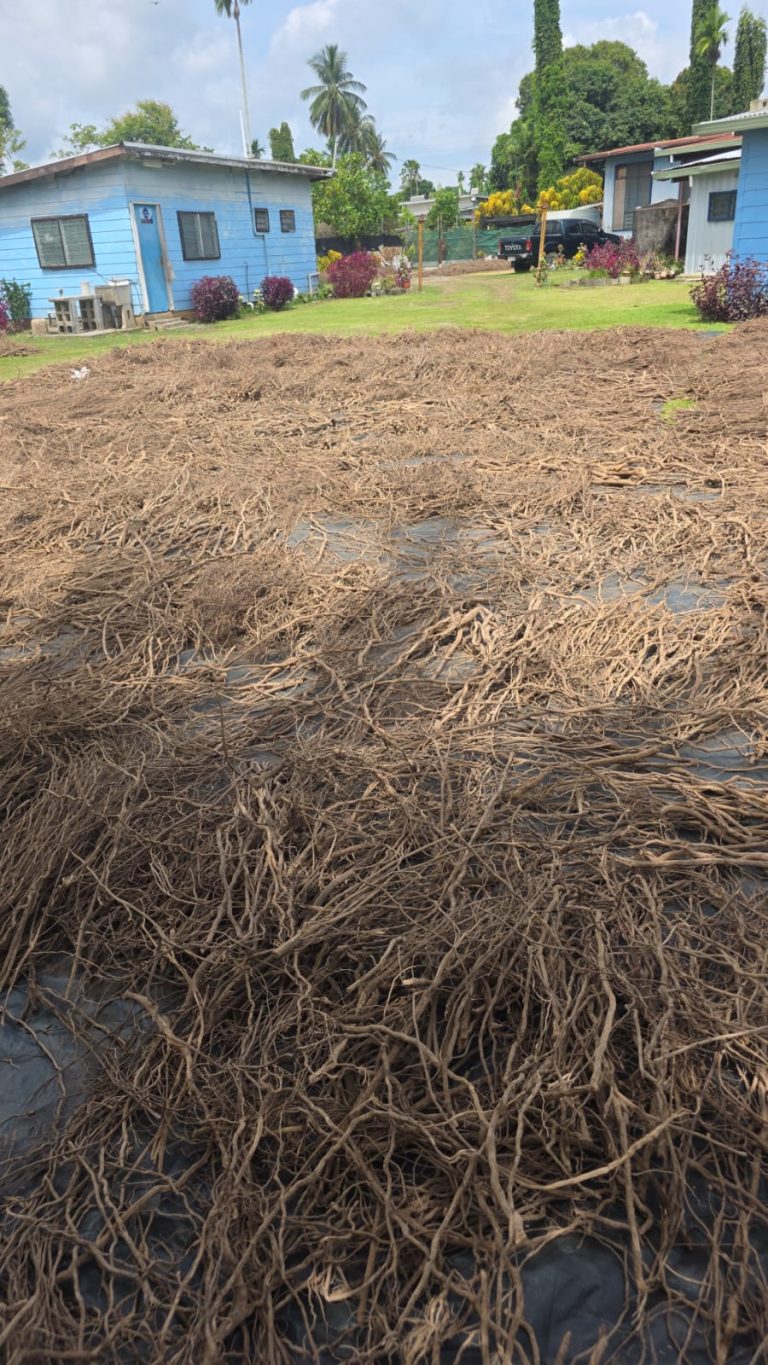
Harvesting Kava is a careful process. Farmers select roots at peak maturity and hand-dig them to preserve quality. After harvesting, roots are washed, cut, and sun-dried to maintain their natural potency. At Floreo Kava, we ensure each batch undergoes strict…
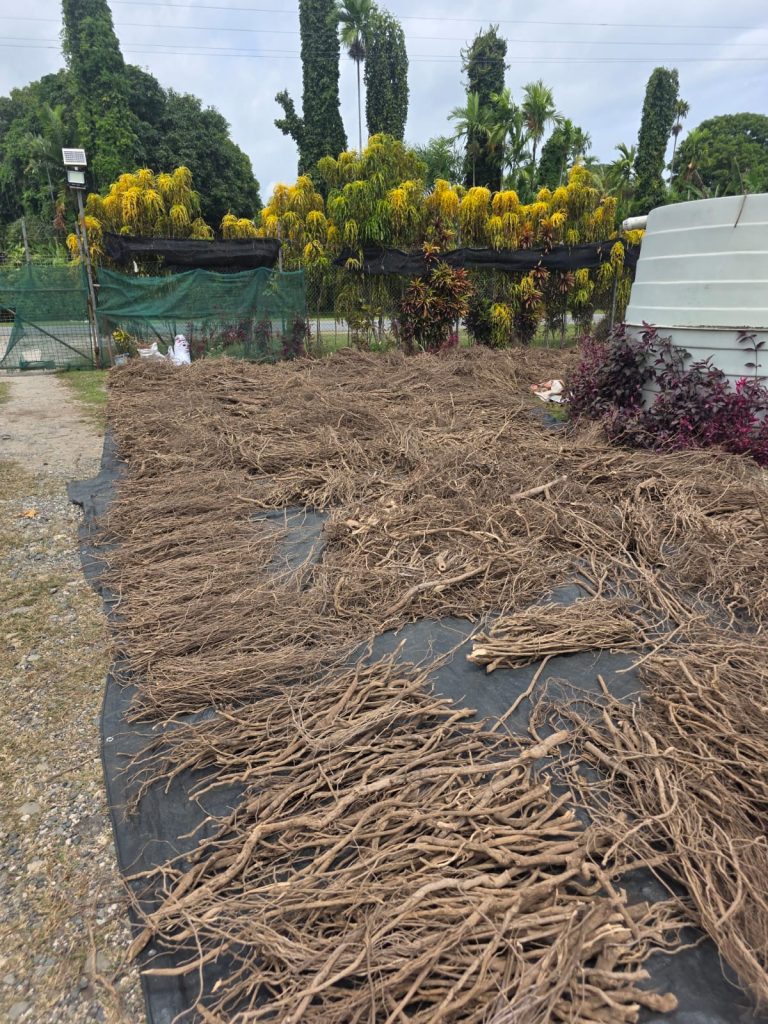
Kava is known for its calming and relaxing properties. Premium Kava roots, like those from Madang, are rich in kavalactones, which contribute to its effectiveness. Export-grade Kava ensures maximum potency, consistency, and quality for use in beverages, supplements, or traditional…
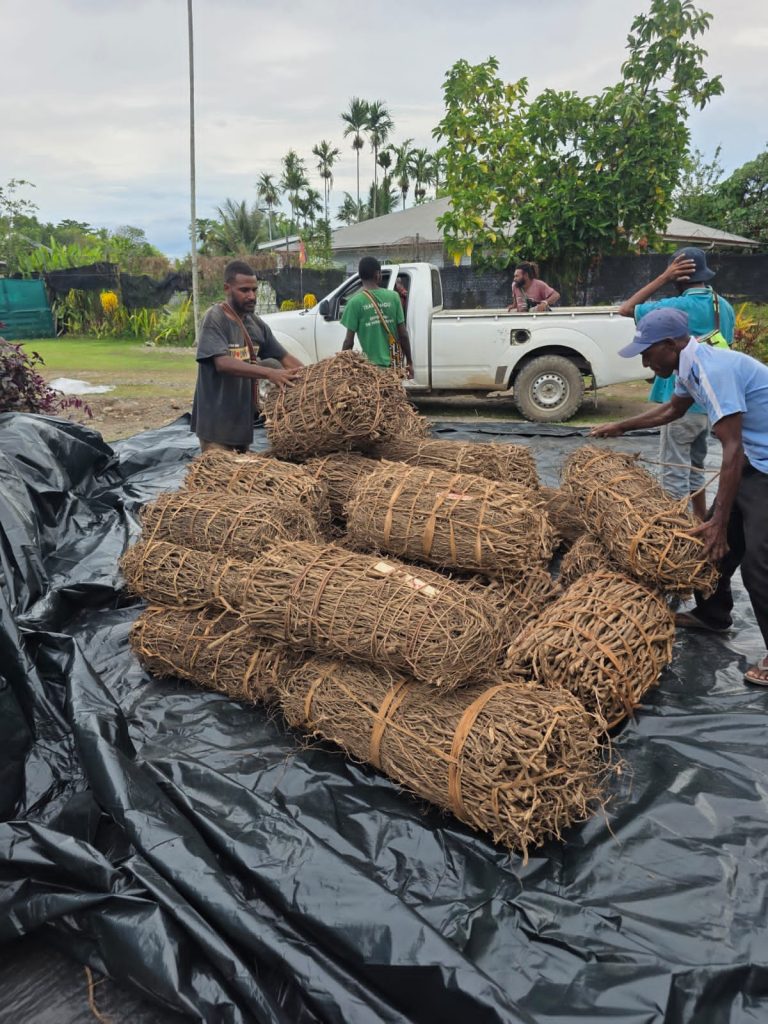
Madang’s Kava is distinguished by its rich mineral soils, ideal rainfall, and traditional farming practices. These factors produce roots with superior potency, flavor, and freshness. For international buyers, sourcing Kava from Madang guarantees reliability, quality, and sustainable supply chains.
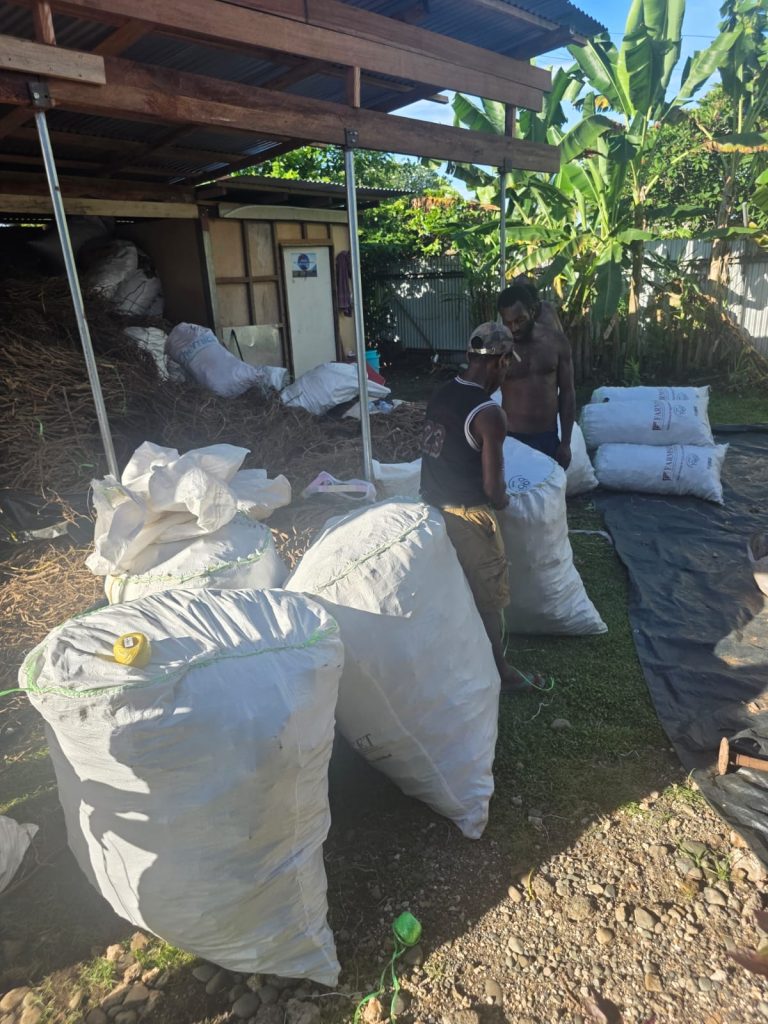
Kava cultivation combines traditional knowledge with modern efficiency. Traditional methods, like hand-harvesting and sun-drying, preserve potency, while modern techniques ensure uniform grading and quality control. This combination allows exporters to provide a high-quality product for global markets.
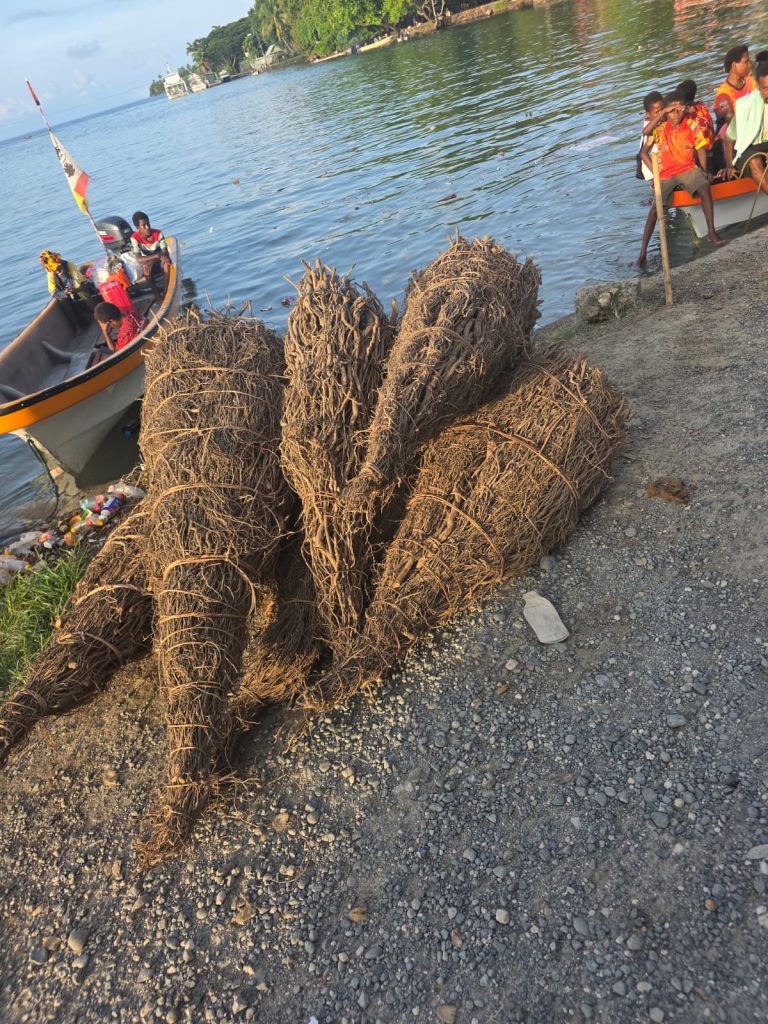
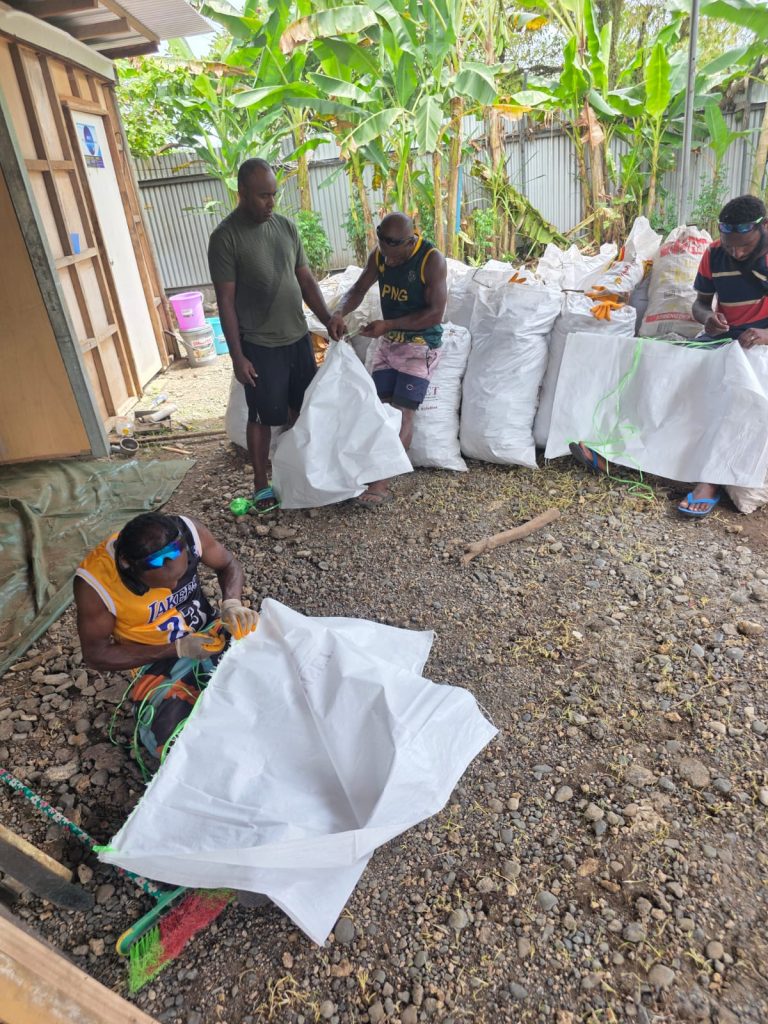
Exporting Kava requires careful handling to maintain quality. Roots are dried, sorted, and packaged in protective materials to prevent damage. Floreo Kava follows international shipping standards, ensuring timely and safe delivery to wholesalers, distributors, and manufacturers around the world.
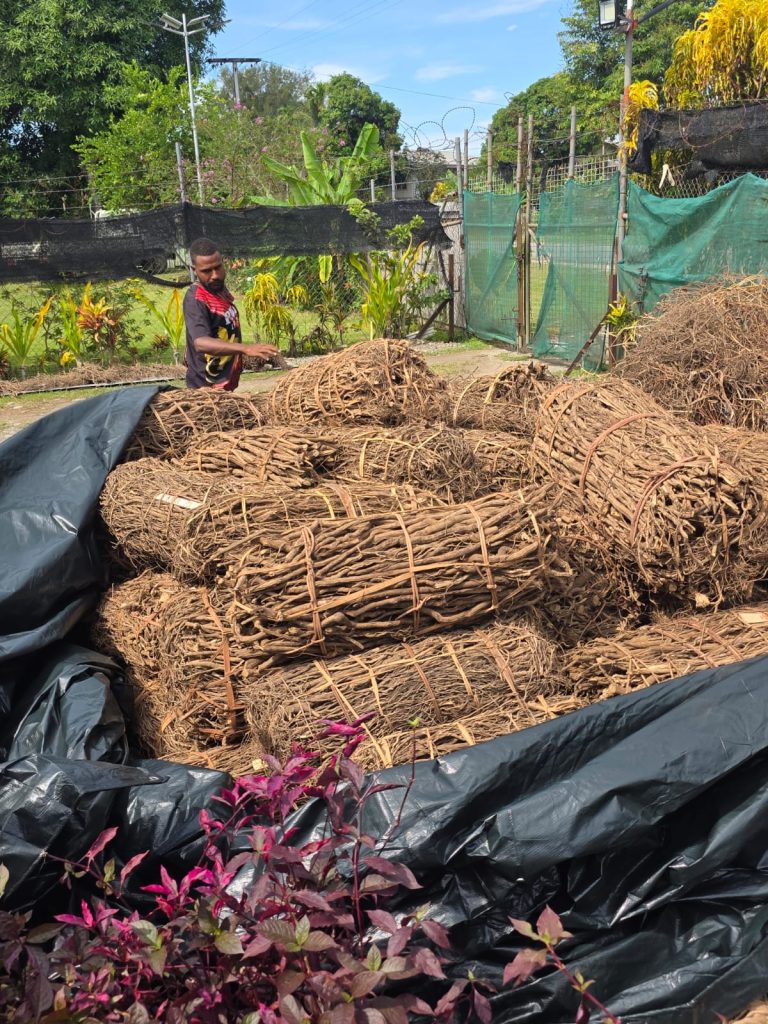
Not all Kava is created equal. Premium Kava roots are graded by size, age, and kavalactone content. Consistent grading ensures clients receive uniform potency, making it ideal for beverages, supplements, or resale. Madang-grown Kava is prized for its high-grade roots…
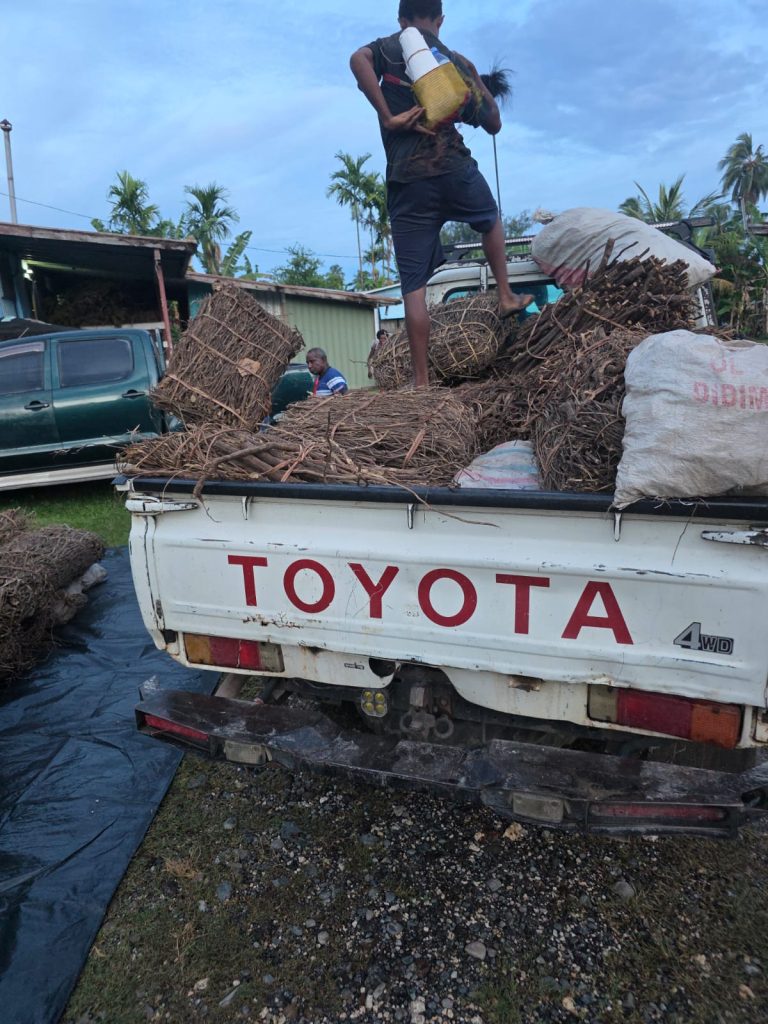
Kava export supports local communities in Madang by providing stable income and employment. Farmers benefit from fair trade practices and training on sustainable cultivation techniques, helping preserve traditional knowledge while meeting international standards.